Psilocybe Subtropicalis
Overview
Genus: Psilocybe
Species: Psilocybe subtropicalis
Status: Distinct species
Primary Relevance: Taxonomy, species delineation, ecological context
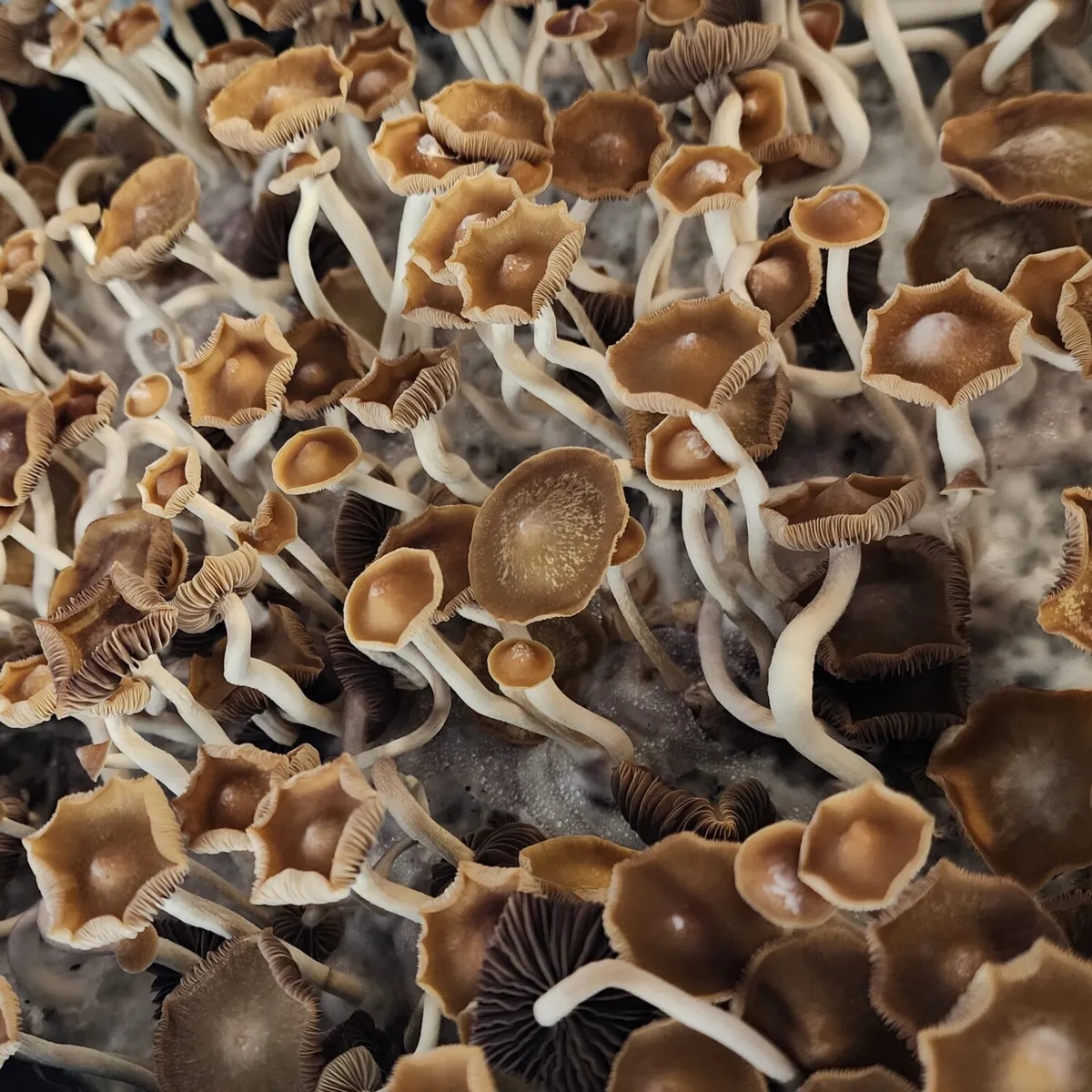
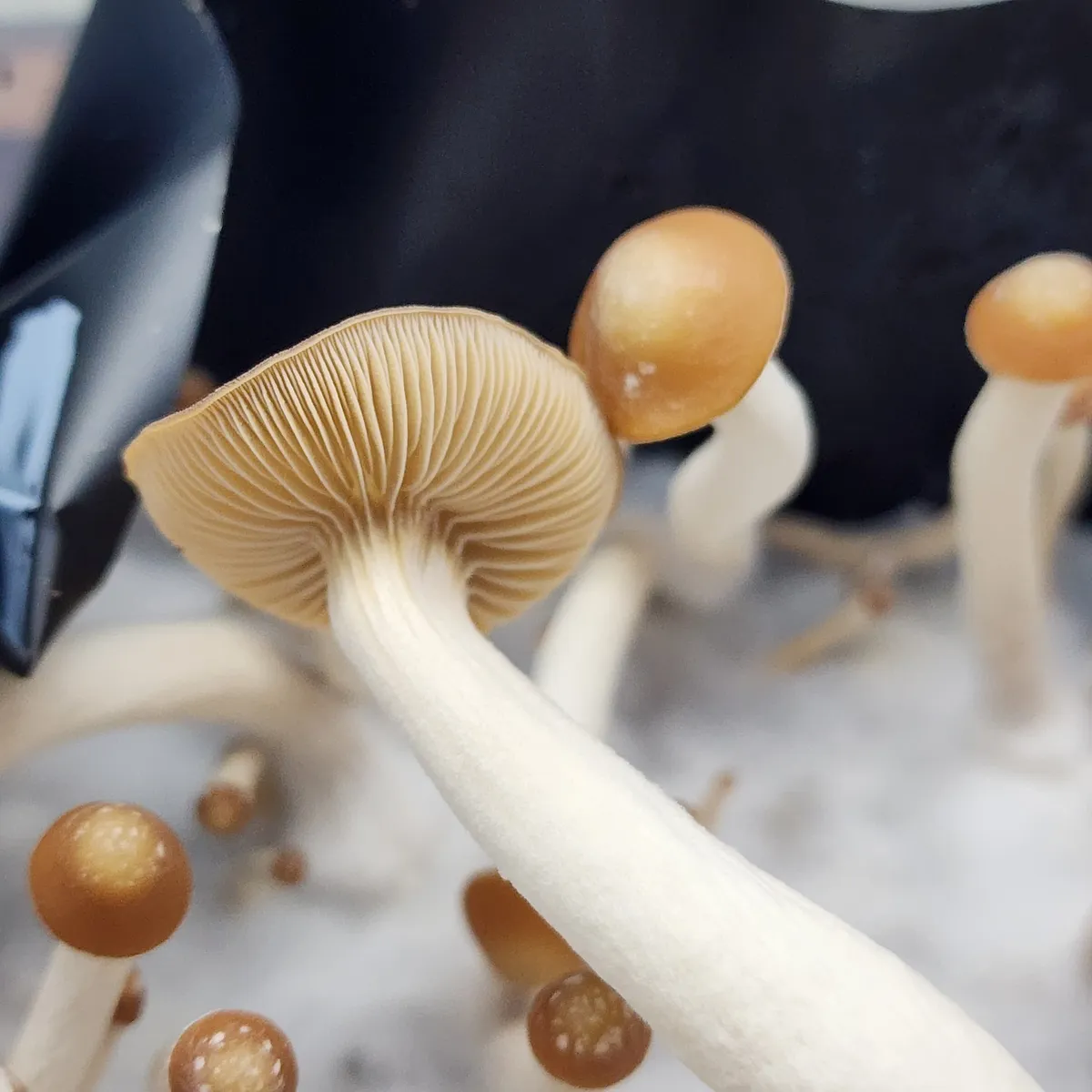
While individual specimens may vary, P. subtropicalis is generally characterized by:
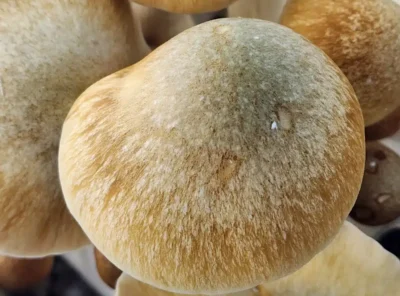
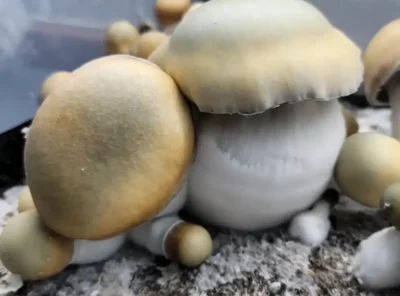
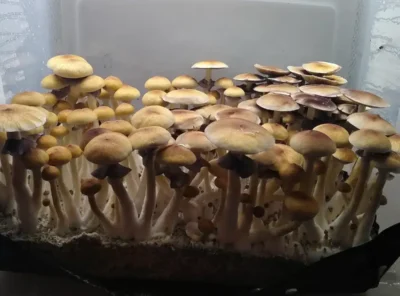
Cap: Brown to caramel tones, often hygrophanous
Stipe: Slender, fibrous, and comparatively delicate
Bruising Response: Blue coloration when handled or damaged
Overall Form: Small, slender stipe, umbonate cap.
Ecology & Natural Habitat
Psilocybe subtropicalis is a small but resilient species, often overlooked due to its modest stature yet notable for its persistence in challenging environments. It is most commonly observed in southern Mexico and parts of Central America, where it appears in the wild along water runoff channels, hillside slopes, and pasture-adjacent terrain.
Despite its size, this species demonstrates a clear ecological preference for disturbed landscapes where moisture, organic material, and terrain converge. Its form reflects adaptation rather than delicacy, with features that are best understood through field context and repeated observation rather than isolated traits.
As with many Psilocybe species, accurate understanding emerges only when morphology, environment, and microscopy are considered together.
Quick Reference — Psilocybe subtropicalis
You might also be interested in…
-
-
-
Sale!
Xalapa Wild Landrace Spore Print
Original price was: $30.00.$20.00Current price is: $20.00.