Exploring the Hidden World: How MycoCosm is Revolutionizing Fungal Genomics
How MycoCosm is Revolutionizing Fungal Genomics
In the quest to unlock the secrets of the natural world, fungi present a fascinating puzzle. These organisms are crucial to our planet’s ecology, biotechnology, and even medical fields. Developed by the U.S. Department of Energy’s Joint Genome Institute (JGI), MycoCosm provides access to fungal genome sequences, comparative analysis tools, and research resources that help scientists investigate fungal diversity and evolution.
Diving into the Genomic Universe of Fungi
MycoCosm isn’t just a database; it’s a gateway to the microscopic world of fungi. Offering tools and resources that enable scientists and enthusiasts to delve deep into fungal DNA. The portal facilitates access to genomic data, comparative analysis, and community-driven annotation. Making it an invaluable resource for both seasoned researchers and curious newcomers.
The platform’s integration with other JGI resources, like PhycoCosm and IMG/M, creates a comprehensive network for studying not only fungal but also algal and microbial genomics. This interconnectedness highlights the ecosystemic nature of genomic research, where understanding one organism can illuminate the roles of others.

Why Fungal Genomics?
Fungi are more than just mushrooms. They are biofactories capable of producing pharmaceuticals and enzymes, decomposers essential to our ecosystems, and pathogens that can both harm and benefit their hosts. By mapping the genomes of these versatile organisms, MycoCosm helps scientists to:
- Investigate fungal diversity, revealing new species and their unique adaptations.
- Harness fungi for biotechnological applications, such as biofuel production.
- Develop strategies to protect crops against fungal diseases, bolstering food security.

The 1000 Fungal Genomes Project: A Call to Action
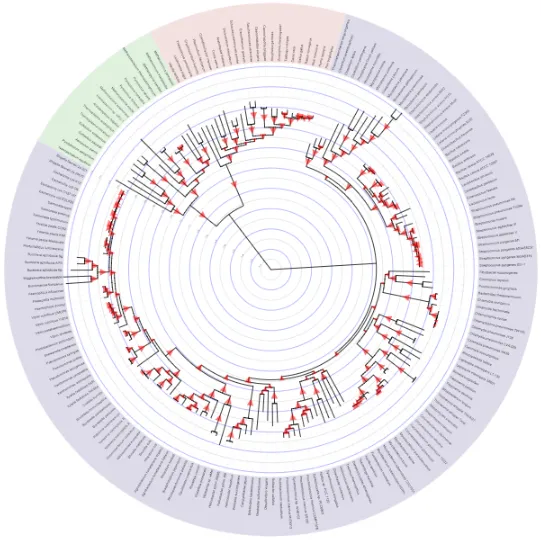
The 1000 Fungal Genomes Project brought together an international research team and the Joint Genome Institute to expand genomic representation across the fungal tree of life. By sequencing fungi from underrepresented families, the project aimed to strengthen reference databases used in evolutionary, ecological, and comparative genomic research. The data generated could lead to breakthroughs in multiple fields—from environmental science to medicine.
Get Involved: A Community Effort
MycoCosm is not just for professional scientists. It invites participation from anyone interested in the natural world. Whether you’re a student looking to start a project, a citizen scientist eager to contribute to real research, or a professional in biotechnology, MycoCosm offers a way to engage with cutting-edge science.
Students, educators, and independent researchers can explore publicly available genomic information through MycoCosm. The platform also provides information about scientific collaborations, genome annotation, and opportunities to engage with fungal genomics research. Specific contributions may require registration or participation in an established research program.
MycoCosm represents a significant leap forward in our ability to study and understand fungi at the genetic level. As this field of research grows, the potential for new discoveries and innovations grows with it. If you’re fascinated by the potential of DNA sequencing and fungal biology, MycoCosm is your portal to being at the forefront of scientific discovery.
For those interested in exploring fungal genomics or contributing to this vibrant field, visit the MycoCosm portal and join a global community of researchers and enthusiasts. This is not just research; it’s an adventure into the fabric of life itself. Let’s explore it together!

Citation
The Genome Portal of the Department of Energy Joint Genome Institute
Grigoriev IV, Nordberg H, Shabalov I, Aerts A, Cantor M, Goodstein D, Kuo A, Minovitsky S, Nikitin R, Ohm RA, Otillar R, Poliakov A, Ratnere I, Riley R, Smirnova T, Rokhsar D, Dubchak I. Nucleic Acids Res. 2012 Jan;40(Database issue)