Mushroom Mutations: Albinos, Blobs, Reverts & Phenotypic Drift
Mutation is not an error in fungi.
It is expression. Ok… Maybe it is a error.
From Replication Error to Expression
Within the world of mushroom genetics, physical form and pigmentation can vary dramatically.
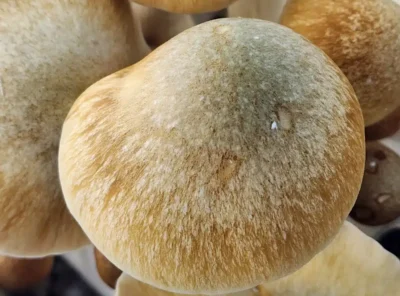
From deep browns and blondes to pale ghosts and pure whites. From slender and towering to dense, rounded masses. Caps may flatten into fins. Stems may fuse. Structures may collapse into blobs.
Mushrooms display a wide range of expression.
But where does expression end and mutation begin?
When does a lineage shift into something entirely different?
And can it return?
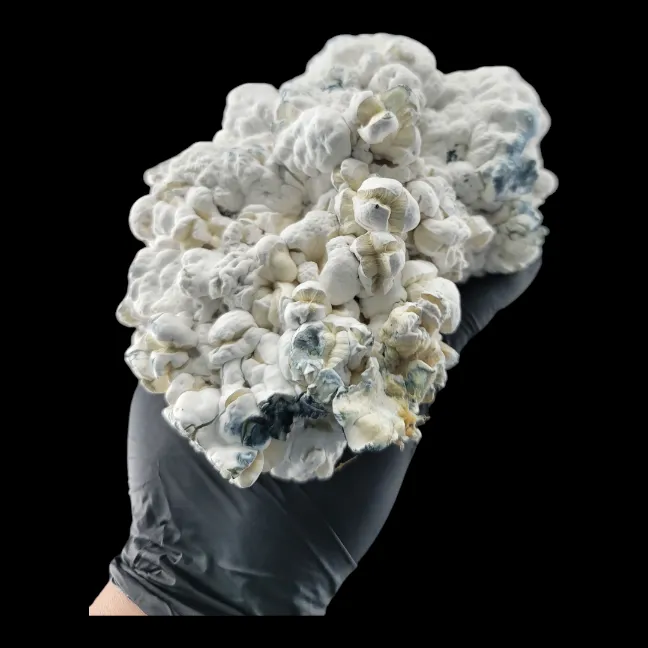
Unusual forms often become the most studied and the most pursued. Albino expressions, dense blob formations, unstable reverts, and gradual phenotypic drift all represent changes in how genetic information is expressed over time.
Understanding mutation is essential to understanding stability, isolation work, and long-term lineage development.
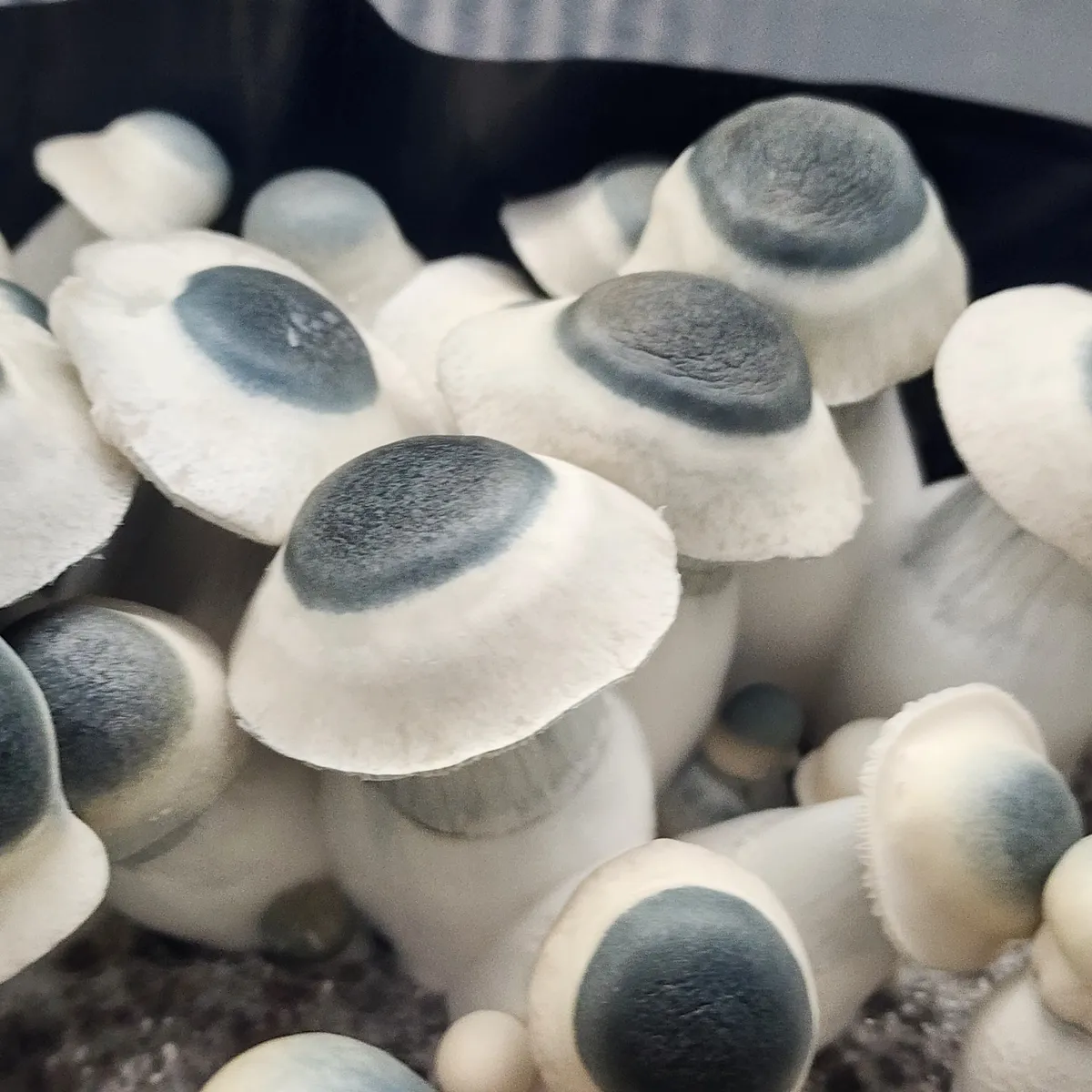
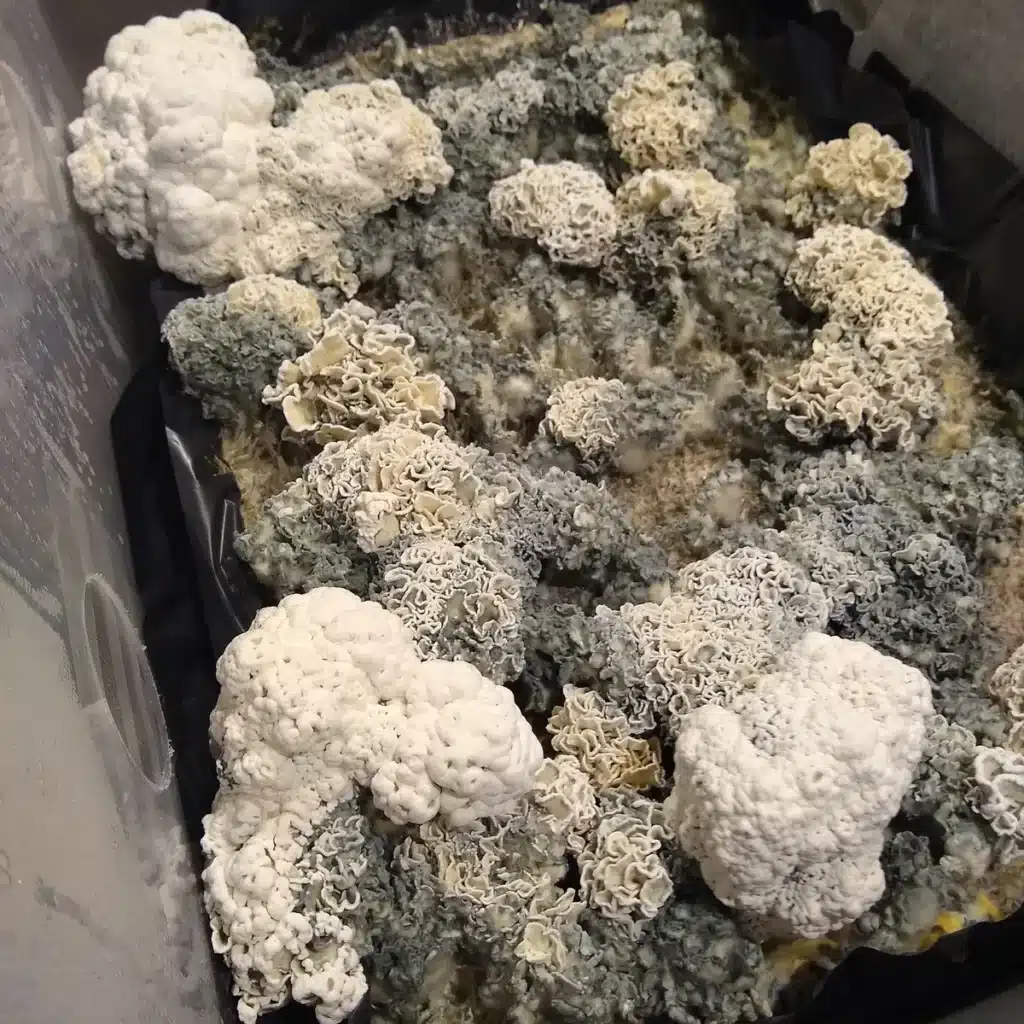
What Is a Mutation in Fungal Genetics?
At the molecular level, a mutation begins as a change in DNA.
This can occur through:
Errors during DNA replication
Environmental stressors
Recombination events
Regulatory pathway disruption
When DNA polymerase copies genetic material, small mistakes can occur, a base substituted, deleted, or inserted. Most are neutral. Some alter protein structure. Others affect regulatory regions that control when and how genes are expressed.
In fungi, those microscopic changes can become visible.
In mushrooms, mutation may appear as:
Loss or reduction of pigmentation
Altered cap formation
Abnormal stem development
Reduced or absent spore production
Fused or irregular growth structures
Not all mutations are dramatic. Some are subtle shifts in density or form. Others redefine entire lineages.
Under microscopy, these shifts may correlate with changes in spore morphology, density, or viability. Macroscopically, they can be unmistakable.
Isolation, Bottlenecks & Expression
Over time, repeated isolation work reduces genetic diversity.
When we clone a single expression and propagate it forward, we narrow the genetic pool. Dominant traits become fixed. Recessive traits that once hid in a diverse population may surface.
This is not necessarily corruption of genetics. It is selection.
However, selection combined with environmental pressures, artificial lighting, controlled gas exchange, sterile substrates, limited microbial interaction can amplify unusual traits.
Reduced diversity increases the likelihood that rare expressions become stable features.
This is how anomaly becomes lineage.
When Does Mutation Go Too Far?
A mutation becomes limiting when reproduction fails.
If a lineage loses reliable spore production, it loses its natural mechanism of genetic exchange. At that point, the line becomes dependent on cloning and propagation through tissue culture.
This creates a form of domestication.
Domesticated lines can be stable and visually remarkable. But they often represent a narrowed genetic spectrum compared to wild populations.
Mutation, therefore, is not inherently error or corruption.
It is deviation.
Whether that deviation strengthens or weakens a lineage depends on stability, reproductive viability, and long-term performance. But ultimately it would have no chance of survival in a wild setting.
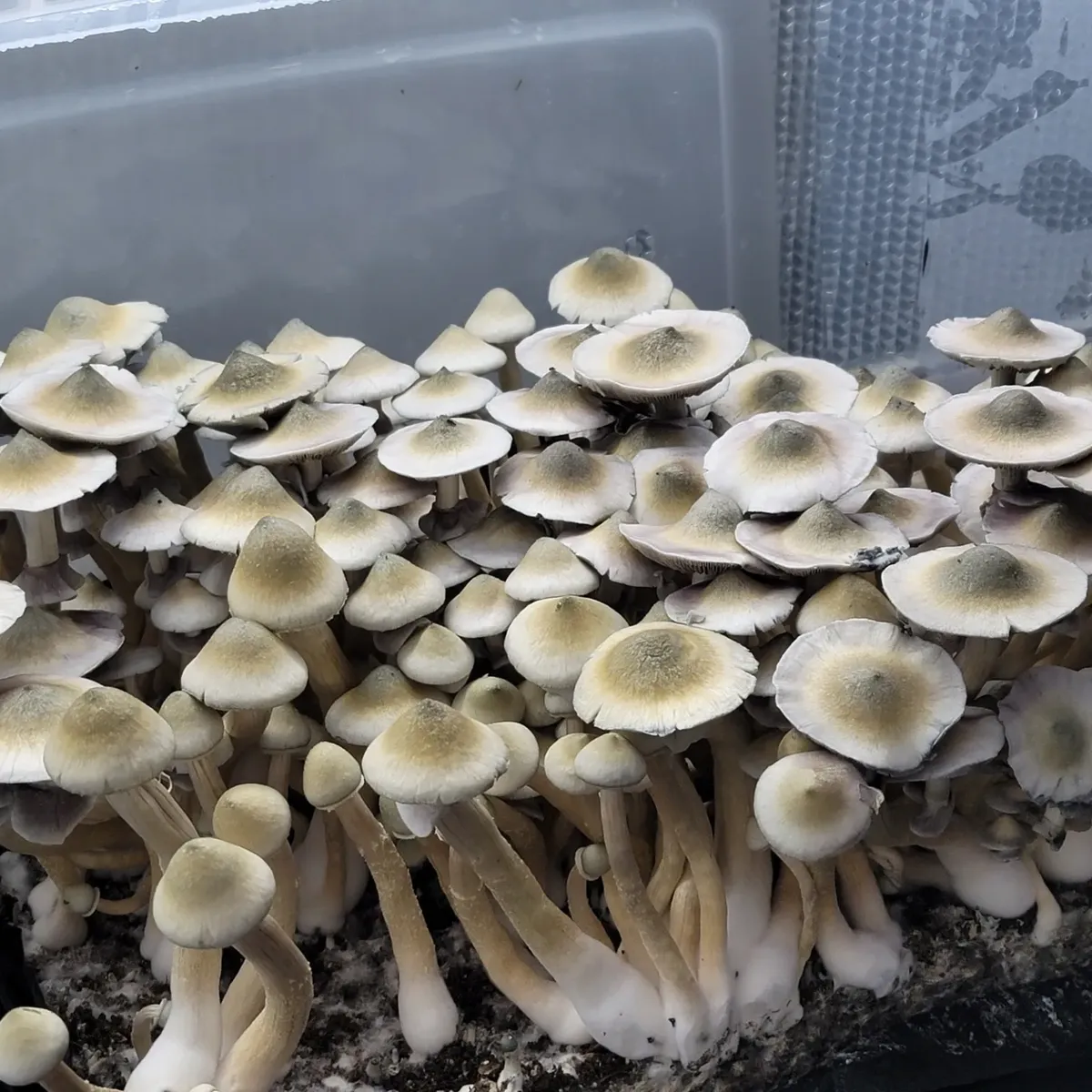
Albino Mushroom Strains
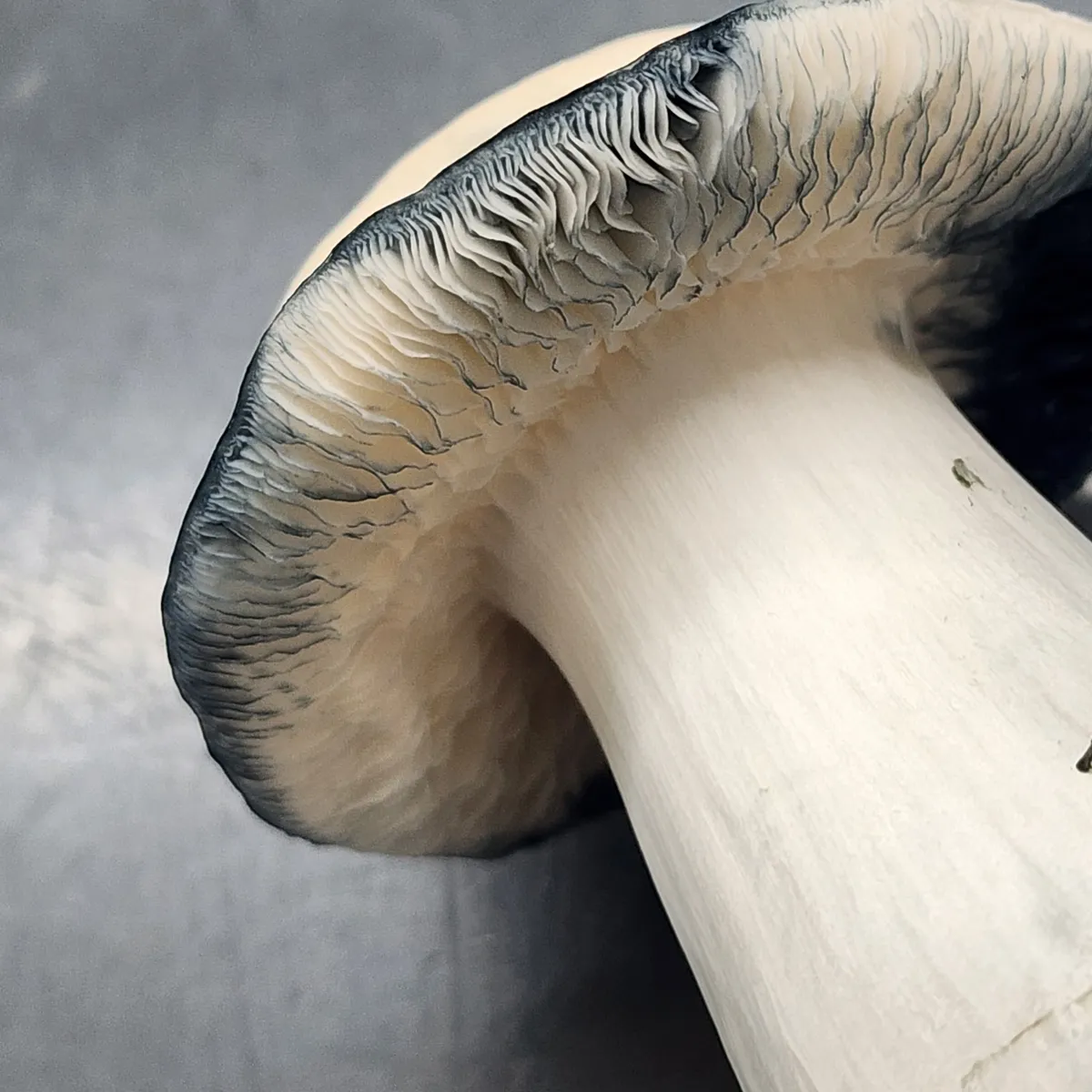
Albino mushrooms lack typical pigment production. This is usually the result of reduced or absent melanin-related pathways.
Visually, this produces:
White caps
Pale stems
Translucent or ghosted gill structures
Albino expressions often require stabilization through isolation to maintain consistency across generations.
Examples within the Vault:
Albino Melmac
Albino Avery
Ape Revert lines
Albino expression is not weakness. It is a shift in pigment genetics.
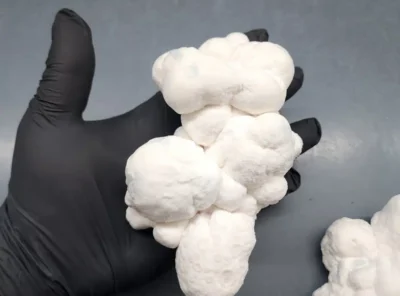
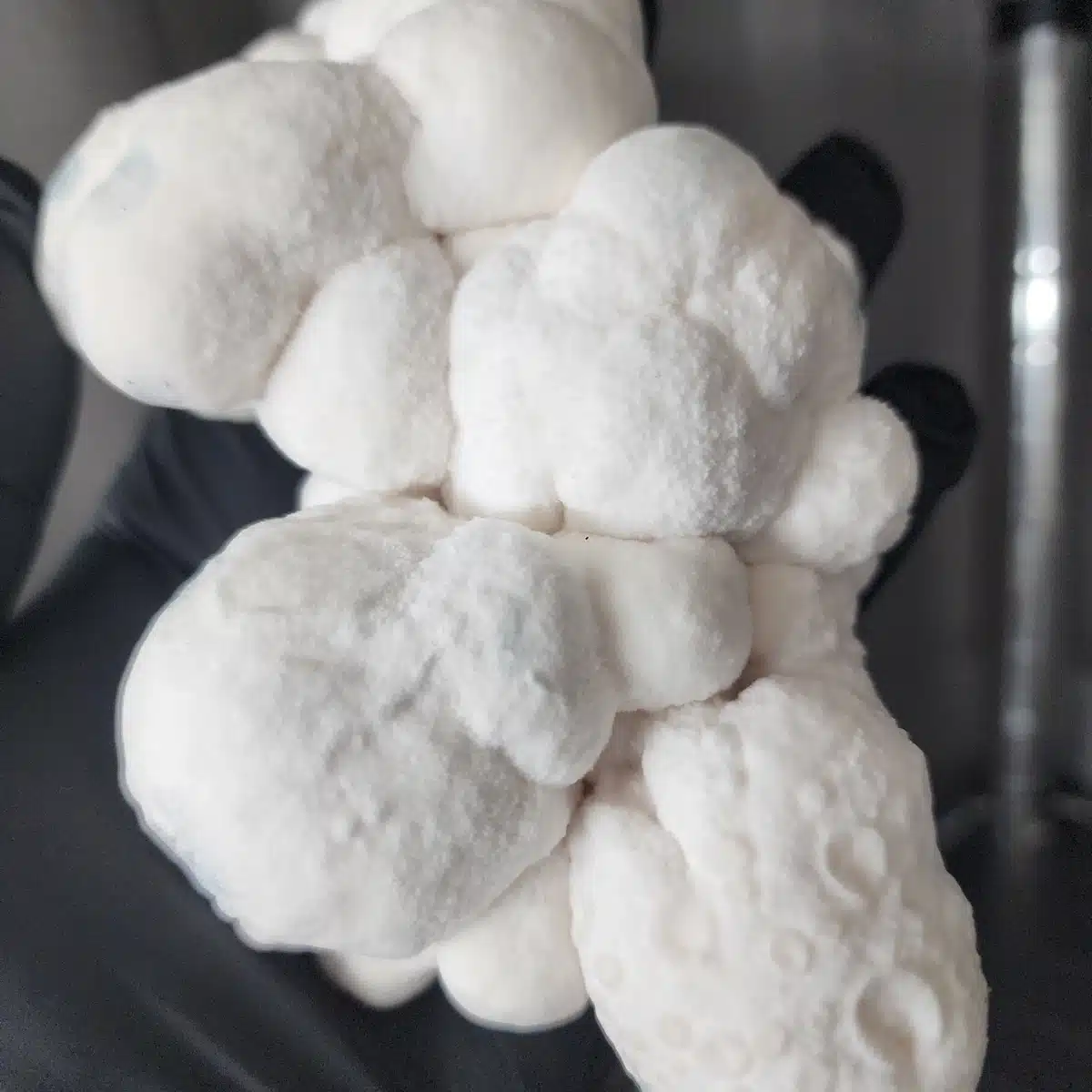
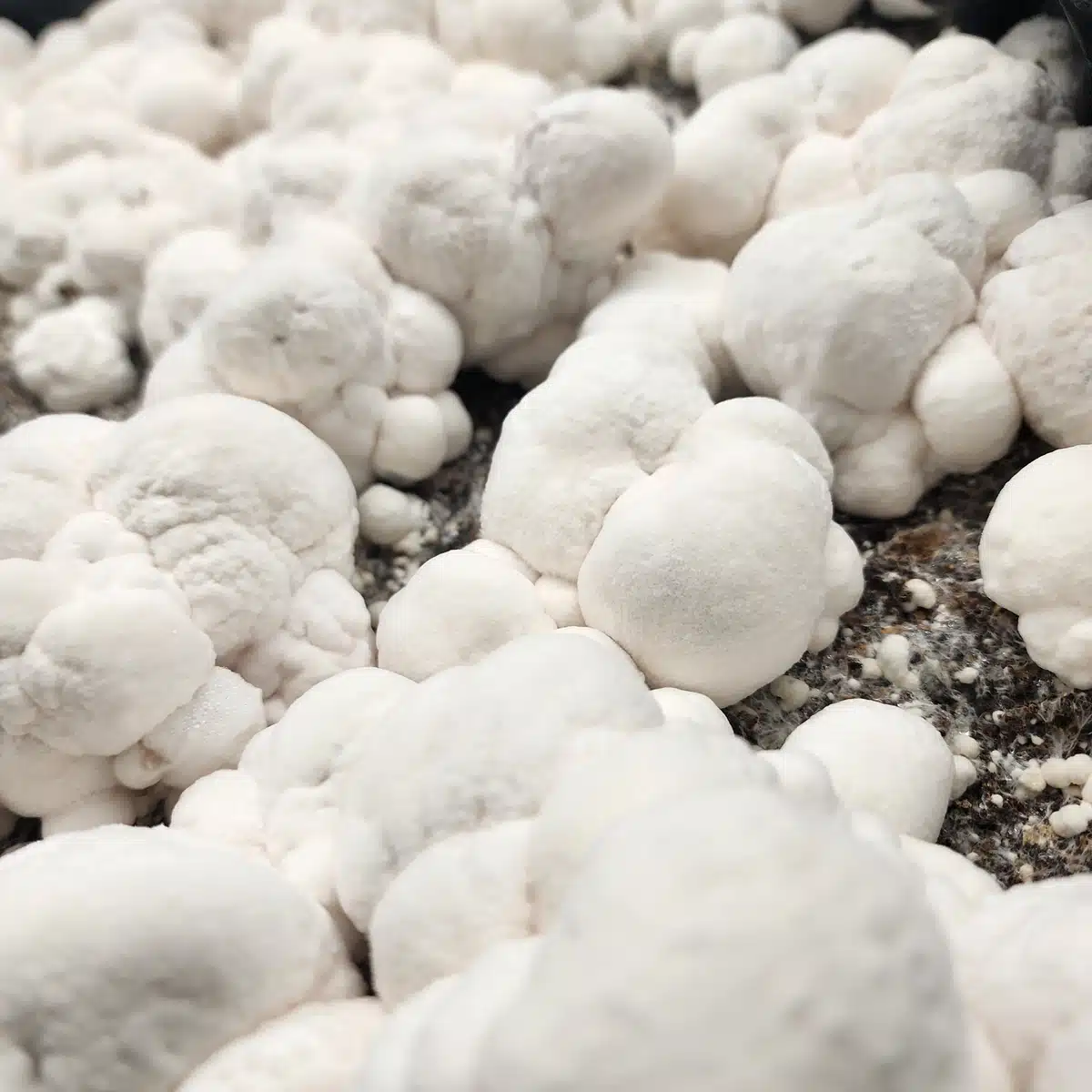
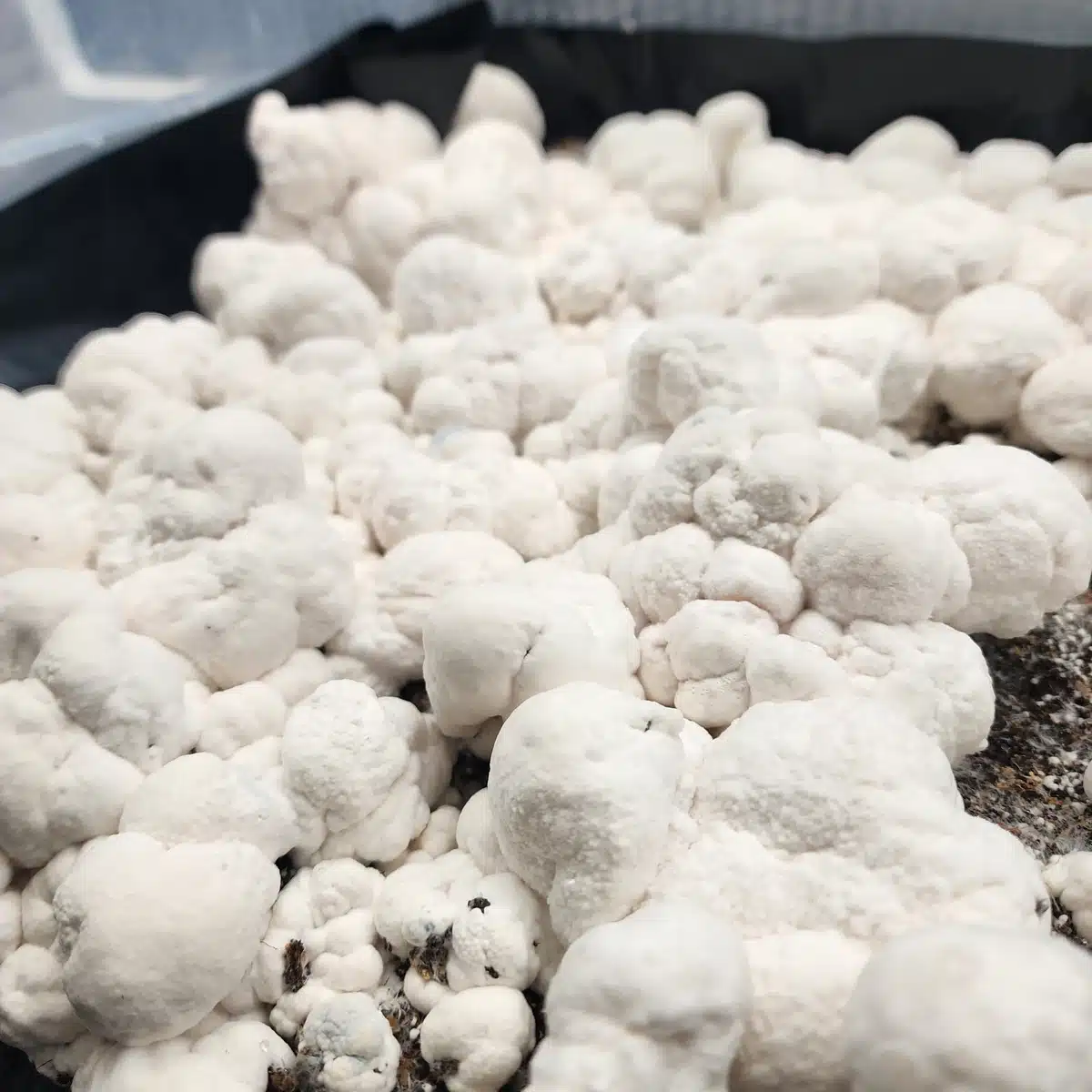
Blob Mutations
Instead of defined caps and stems, blob mutations produce:
Dense, fused masses
Rounded formations
Smooth to lightly textured surfaces
Reduced differentiation between structures
These forms can appear unstable in early generations but may stabilize through deliberate isolation work.
Within the Genetic Vault, both Enigma and Bumpkin Blob represent stabilized blob-style expressions, though their morphology differs significantly.
Blob mutations challenge the expectation of what a mushroom “should” look like.
Reverts
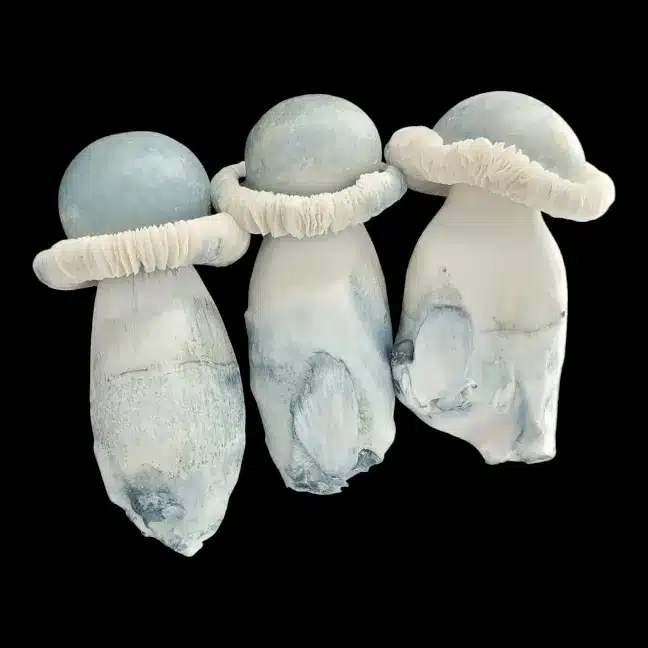
Reverts can appear when:
Genetic instability persists
Isolation pressure changes
Environmental variables influence expression
In some cases, reverts restore spore production in otherwise sterile mutant lines. In others, they simply express an earlier phenotype within the lineage.
Reverts are not failures. They are reminders of genetic memory.
Image: Albino Penis Envy Revert
Environmental Stress & Modern Mutation
Fungi are not isolated from their environments.
They interact with soil chemistry, atmospheric changes, microbial communities, and increasingly, synthetic materials. Certain fungal species have demonstrated the ability to break down plastics and petroleum-based compounds under laboratory conditions. This capacity alone suggests biochemical interaction with modern pollutants.
Microplastics have now been detected in animals and human tissues worldwide. It is reasonable to ask whether fungi, which absorb nutrients directly through hyphal contact, may also experience molecular stress when exposed to synthetic residues.
Environmental stress is known to influence mutation rates in many organisms. Oxidative stress, nutrient limitation, and chemical exposure can all impact DNA replication fidelity and gene regulation.
Whether modern environmental pressures contribute to observable shifts in fungal expression remains an open question.
But it is a question worth asking.
Phenotypic Drift – What Causes Drift?
Not all change is sudden.
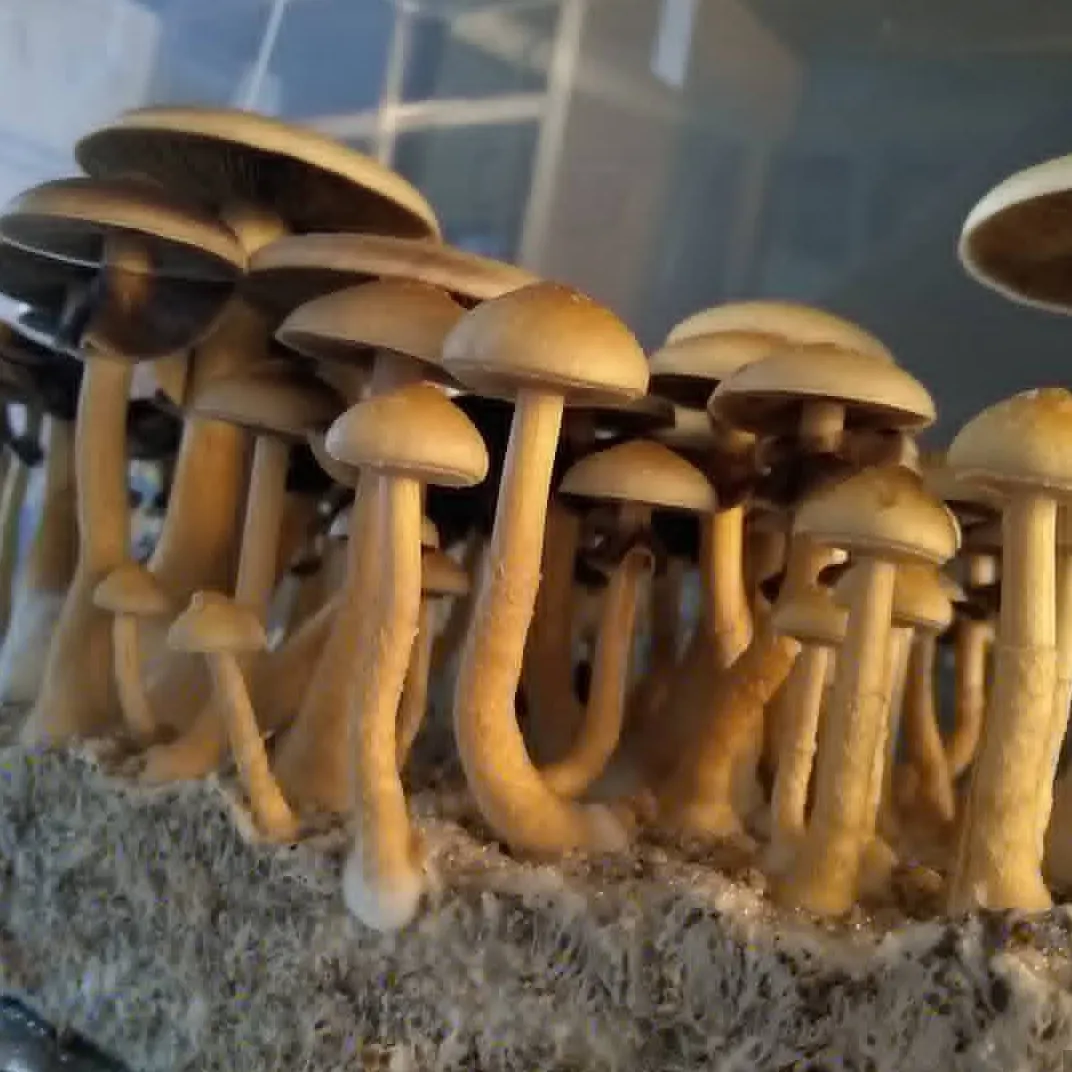
Phenotypic drift refers to gradual changes in expression across generations.
What Causes Drift?
Repeated cloning
Environmental selection
Substrate variables
Long-term in vitro culture
Over time, even stable strains can shift in cap shape, stem density, or sporulation patterns.
Monitoring drift is essential to preserving lineage identity.
This is where disciplined isolation and documentation matter.
Stabilization vs. Expression
Mutation alone is not value.
Stability is.
Many unusual expressions appear once and disappear. Only through careful selection and isolation can a mutation become a stable lineage.
The difference between anomaly and genetic line often comes down to observation, documentation, and time.
Why Mutation Matters in the Genetic Vault
The Genetic Vault exists not only to preserve strain names, but to document expression.
Albinos, blobs, reverts, and drift patterns represent:
- Evolution in motion
- Selective stabilization
- Morphological diversity
- Genetic experimentation over time
Understanding these mechanisms deepens the appreciation of each lineage archived here.