Explore the Foundations of Fungal Science
The sections below connect the core pillars of fungal study, spores, mycelium, microscopy, and genetics. Each page offers a focused look into the structures and stories that define the kingdom of fungi.
The Archive of Lineages
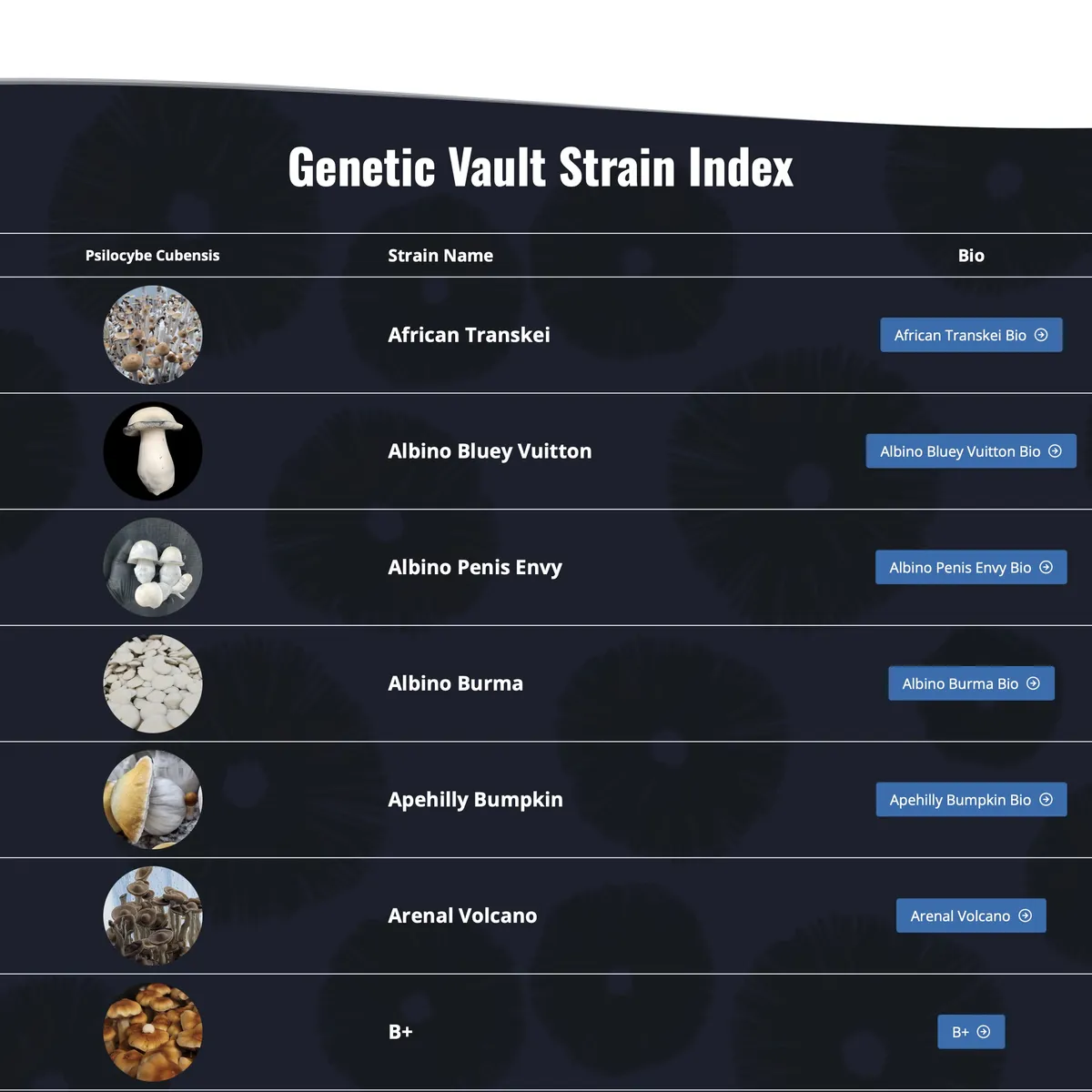
Genetic Vault
Step inside a curated library of strain profiles documenting origins, morphology, and evolutionary relationships. The Genetic Vault preserves verified lineages and highlights the diversity within the Psilocybe genus.
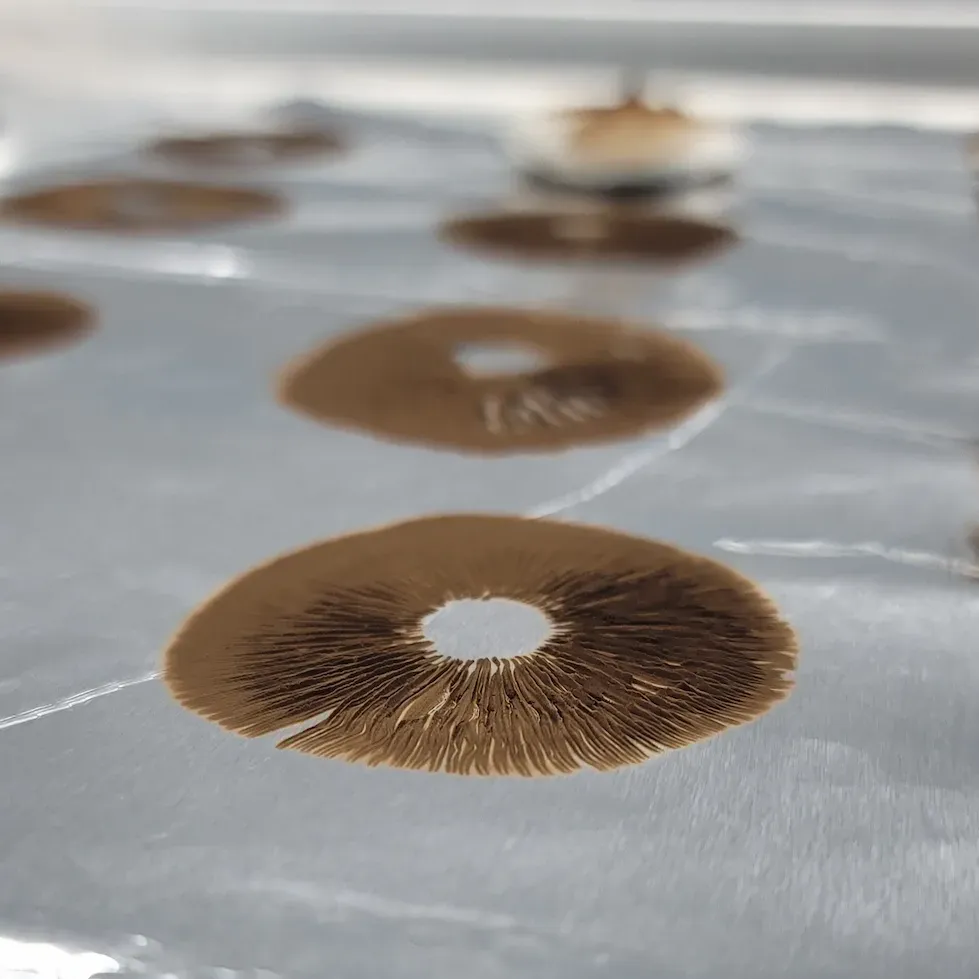
The Beginning of All Fungi
Spores
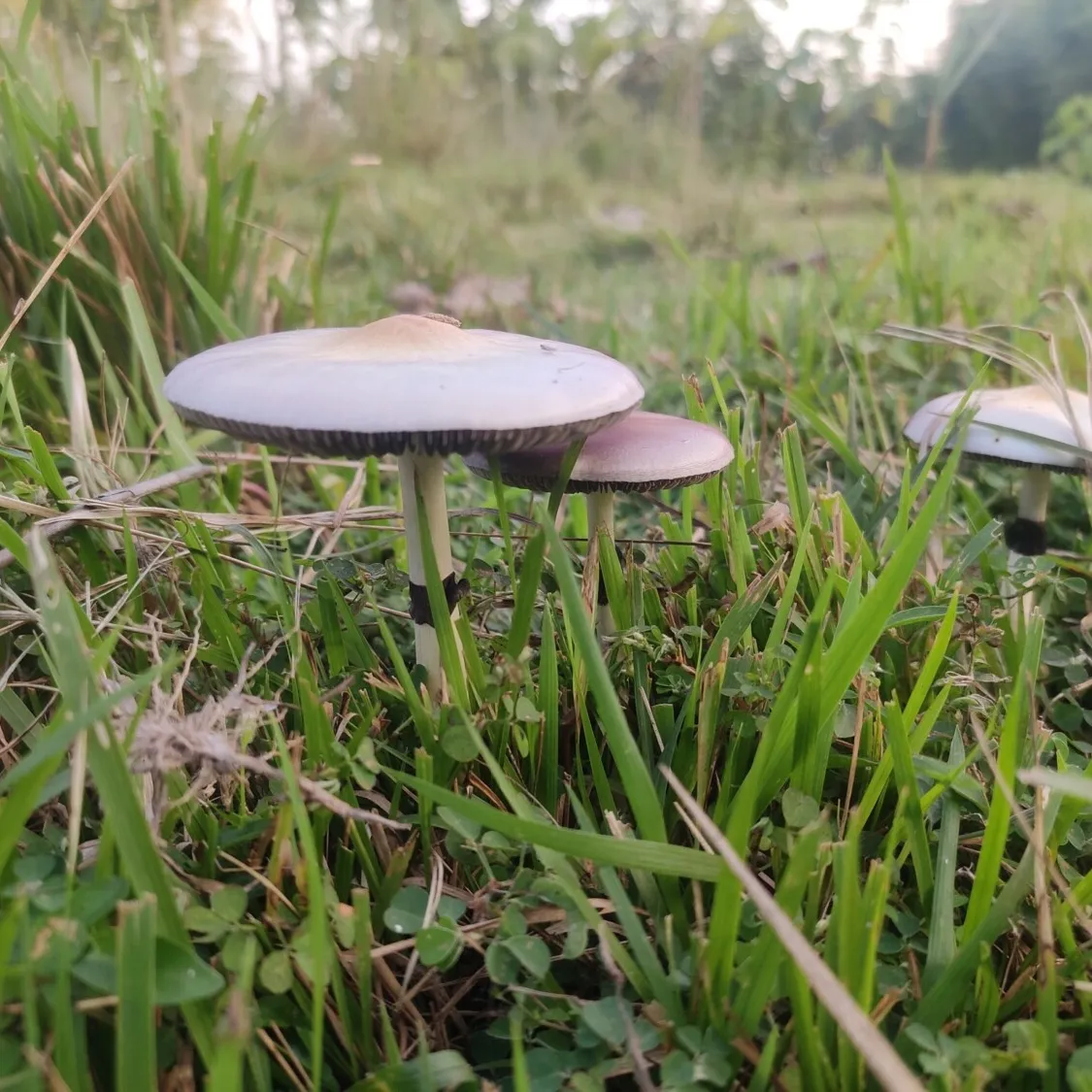
Spores are the seeds of the fungal world — microscopic cells carrying the genetic blueprint for life. Learn how spores function, why they differ between species, and what they reveal under the microscope.
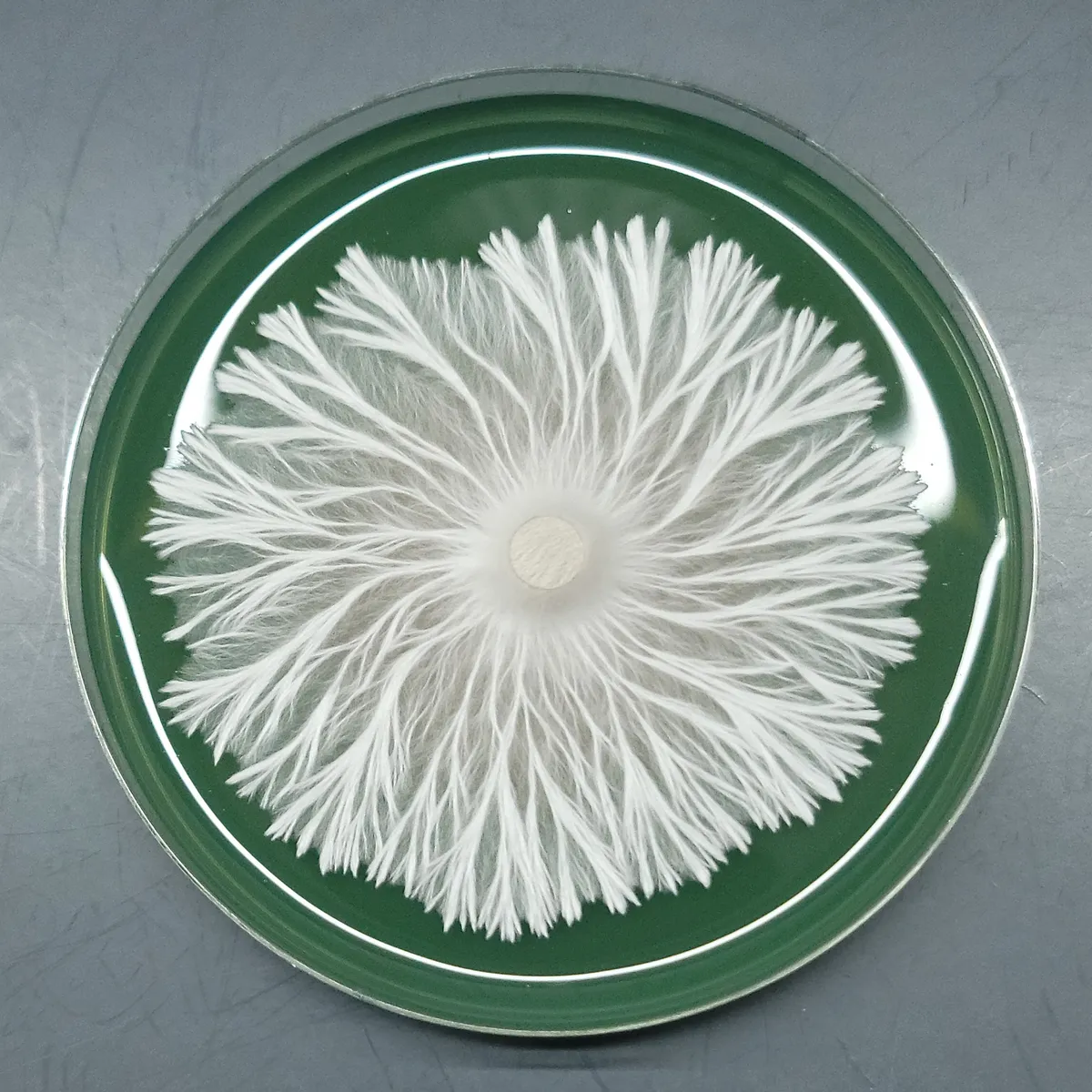
Beneath the Surface
Mycelium Works
Mycelium forms the living web of fungi, vast, intelligent networks that recycle nutrients and connect ecosystems. Explore how these hidden systems work and why they matter to the planet’s balance.
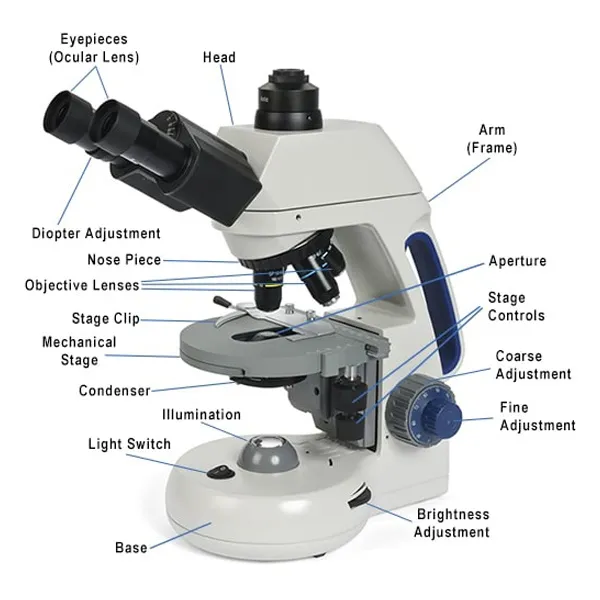
Seeing the Unseen
Mushroom Microscopy
Microscopy (my·KROS·kuh·pee) transforms invisible worlds into visible ones. Discover how to prepare slides, use a microscope effectively, and document your observations of spores and mycelium in detail.
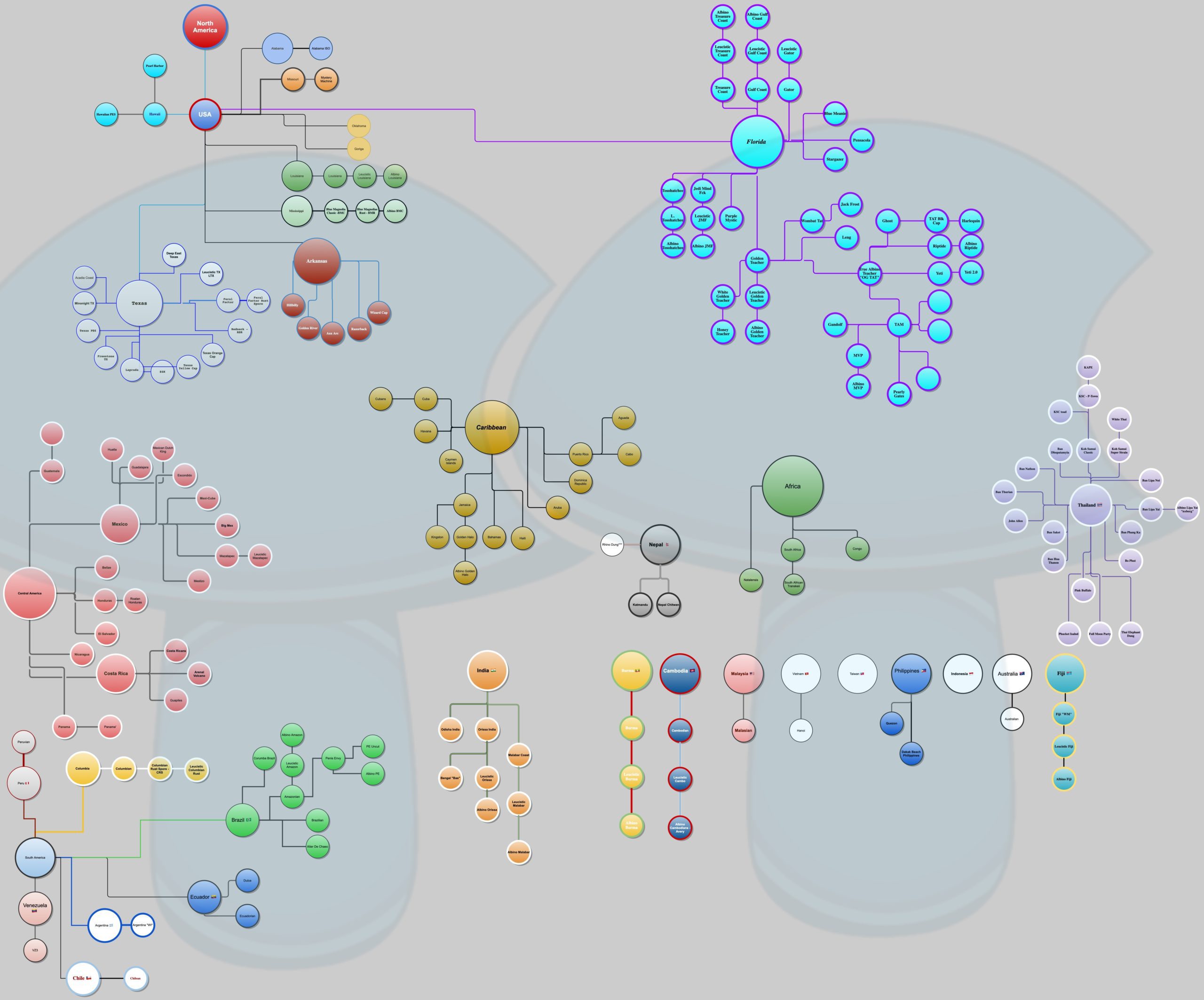
Tracking the Evolution of Fungal Genetics
Genetic Mapping
Genetic Mapping visualizes how species relate and diverge through time. Explore diagrams and the patterns that reveal the old stories.
Field Notes & Research
Blog – Stories From the Mycology Community
Stay current with ongoing research, essays, and discoveries from the Basidium Equilibrium lab and beyond. The Blog brings science, history, and storytelling together for those who live in wonder of fungi.
Learning Through Observation
Fungal science is not learned all at once. It is built slowly, through careful observation, patience, and an openness to systems that do not reveal themselves immediately. The Learning Hub exists to support that process – not as a shortcut, but as a guide for those willing to look closely.
Unlike plants or animals, fungi operate largely beyond direct sight. Their most important structures exist at microscopic scales or beneath the surface, forming networks that persist long before fruiting bodies appear. To understand fungi, one must learn to follow processes rather than outcomes – spores before mushrooms, mycelium before form, lineage before strain names.This hub was created around that principle.
Each section within the Learning Hub represents a different layer of fungal understanding. Spores introduce the genetic beginning of all fungi, carrying lineage, variation, and possibility within microscopic form. Mycelium reveals how those genetics express themselves as living systems – adaptive, responsive, and interconnected. Microscopy allows these invisible processes to be seen, documented, and studied with clarity. Genetics and mapping provide the long view, tracing how species evolve, diverge, and persist through time.
Together, these pillars form a complete framework for learning fungi as living systems rather than isolated specimens.
The approach taken here emphasizes observation over instruction. Rather than presenting rigid answers, the Learning Hub encourages questions: What am I seeing? How does this structure behave? What patterns repeat across species? What changes, and what remains consistent? These questions are central to both scientific inquiry and meaningful learning.
This philosophy reflects the reality of mycology itself. Much of what we understand about fungi has come not from centralized institutions, but from field observers, microscopists, and independent researchers who documented what they saw and shared it carefully. The fungal kingdom rewards those who pay attention.
The Learning Hub also serves as a living archive.
As research evolves, as new lineages are documented, and as techniques improve, this space grows alongside that knowledge. It is not static, and it is not meant to be consumed in a single visit. Like fungal systems themselves, it benefits from revisiting – each return revealing something new as understanding deepens.
Importantly, this hub exists to separate learning from transaction.
While products may exist elsewhere on the site, the purpose here is education first. Knowledge builds confidence, and confidence leads to better questions, better decisions, and deeper respect for the organisms being studied. This separation preserves trust and ensures that learning remains the focus.
Whether you are new to fungal study or have years of experience, the Learning Hub is designed to meet you where you are. Some will begin with spores and microscopy, others with genetics or mycelial behavior. There is no required path – only an invitation to explore.
Fungi do not operate linearly, and neither does understanding them.
This space exists for those who are curious enough to slow down, look closer, and allow complexity to unfold. The more carefully you observe, the more the patterns begin to reveal themselves – quietly, persistently, and without spectacle.
That is the work this hub represents.