Apehilly Bumpkin
Apehilly Bumpkin is a distinct hybridized strain of Psilocybe cubensis, originally discovered through a targeted hybridization effort by the team at Basidium Equilibrium. This strain combines the robust characteristics of Hillbilly Pumpkin (HBP) and Albino Penis Envy (APE), resulting in a unique expression with exceptional microscopy traits and phenotypic variety.
CREATION OF APEHILLY BUMPKIN
Genetic Lineage & Isolation Notes
Developed during an advanced hybrid hunt, Apehilly Bumpkin has shown:
Genetic consistency across Isolates #1 and #2 — with strong phenotypic representation of both parent strains
A third isolate (AB #3) displaying a partial reversion, including:
Taller stipe formation
Active spore discharge
Distinctive coloration shifts uncommon in its predecessors
These variations offer valuable insights for microscopy and comparative phenotype research.
Microscopy Features
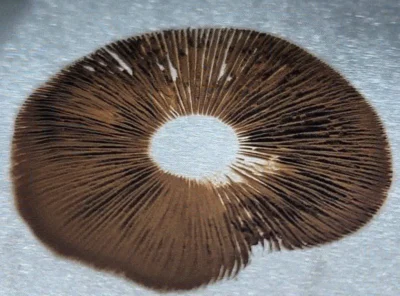
Spore Color: Dark violet to purple
Spore Size: ~7 × 12μm
Gill Formation: Broad, typically non-discharging in APE-dominant isolates
Cap Structure: Varies between isolates, some showing APE’s albino traits, others reverting toward classic Cubensis tones
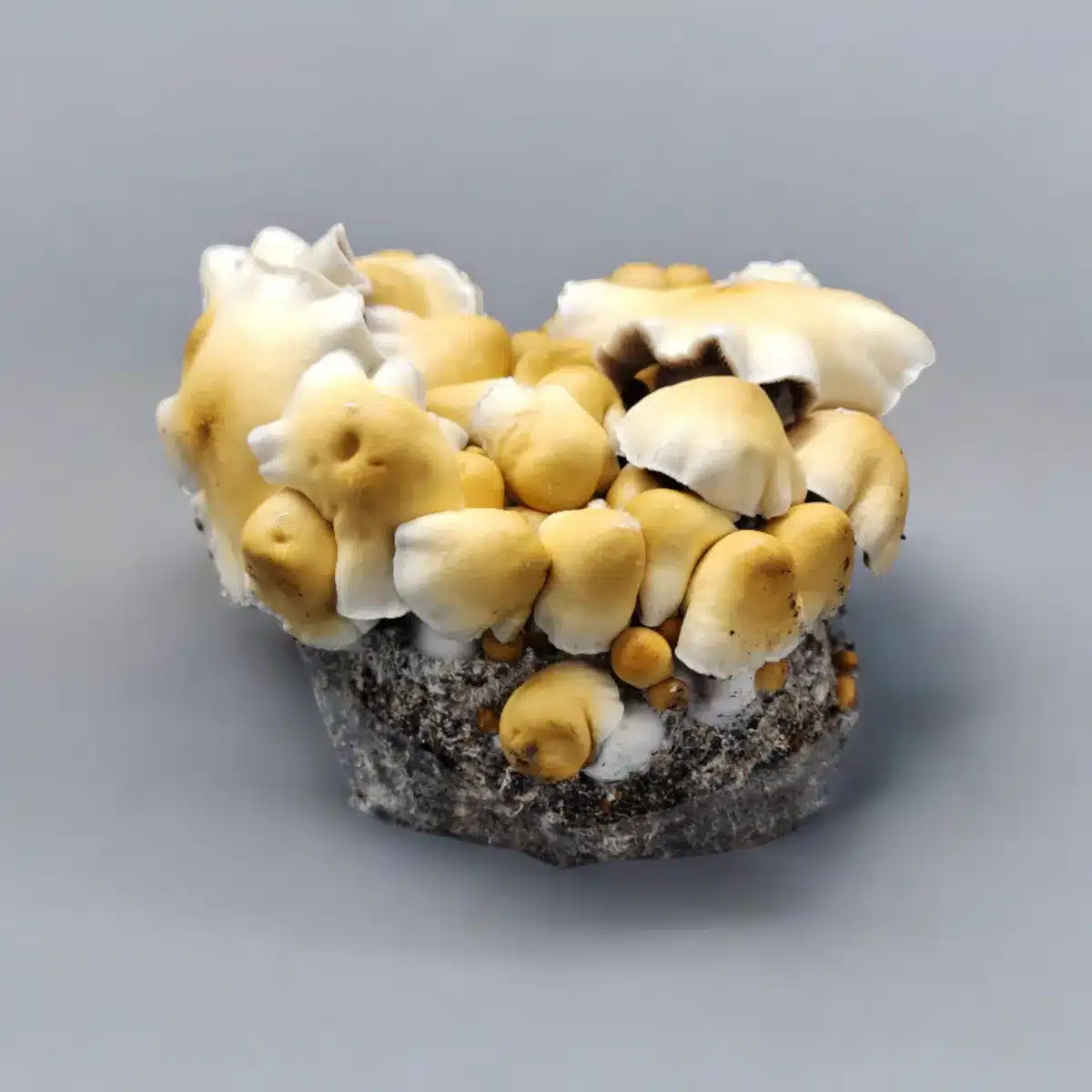
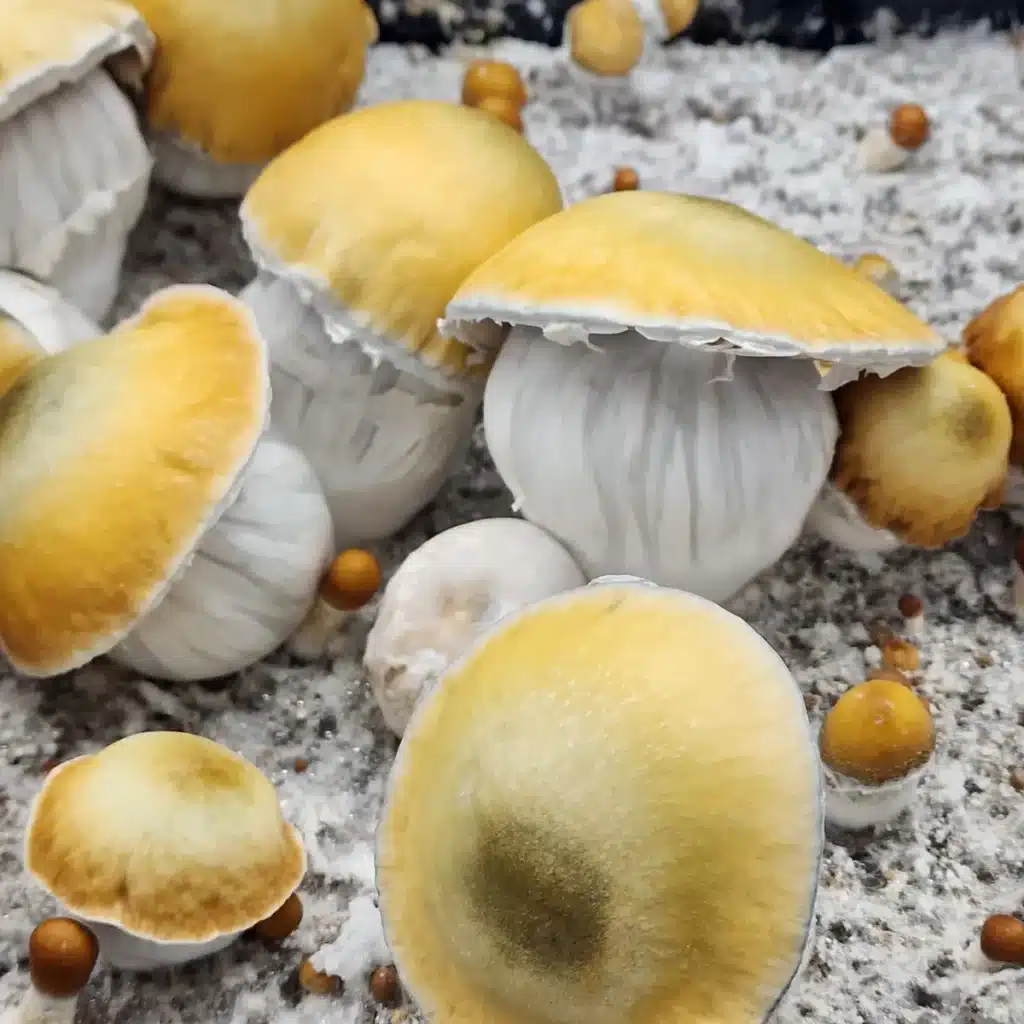
Why Choose Apehilly?
🧬 Hybrid lineage: HBP × APE cross with visible trait diversity
🔬 Microscopy-grade samples: Ideal for research and taxonomic study
💡 Three unique isolates available: Study continuity, variation, and reversion
📦 Prepared under sterile lab conditions by Basidium Equilibrium
Mycologist’s Notebook:
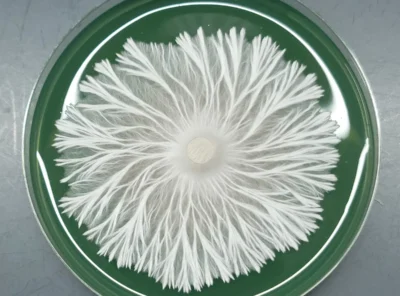
You spend hours in the lab chasing ghosts—scraping tissue from one plate, streaking spores on another, hoping the damn things are in the mood to mate. There’s no glamour in it—just condensation on Petri lids and the dull hum of the fridge. You become obsessed. You swear you smell the difference when something takes. It’s slow, delicate work—microscopes, dead ends, long nights with red eyes and coffee that tastes like agar. But when a new cross finally shows itself—morphology shifting, traits merging—you feel it. You didn’t just observe it. You became part of it. The fungus changed, and so did you.